No products in the cart.

Buy Kapvay online overnight
Price range: $225.00 through $700.00
Buy Kapvay online overnight from Heal Zone for discreet, reliable access to this extended-release clonidine medication used to manage ADHD symptoms like hyperactivity and impulsivity in children, adolescents, and sometimes adults. We offer no-prescription ordering, fast 1-2 day overnight delivery in the USA and Canada (3-5 days internationally), plain unmarked packaging, real tracking numbers, and flexible payments via Bitcoin, Zelle, CashApp, bank transfer, or Western Union. Enjoy 100% customer satisfaction with our 30-day full refund or replacement policy. Our simple process—browse, add to cart, checkout, pay manually, and receive discreet worldwide shipping—ensures privacy, speed, and peace of mind for effective non-stimulant ADHD support.
Buy Kapvay online overnight – 0.1mg(90pills)
$225.00
Buy Kapvay online overnight – 0.1mg(180pills)
$400.00
Buy Kapvay online overnight – 0.1mg(360pills)
$700.00
Description
Where to buy Kapvay Online Overnight
We make it simple and secure to obtain Kapvay through our trusted online platform at Heal Zone.
- We specialize in providing Kapvay (clonidine extended-release tablets) for ADHD management without the need for traditional prescriptions, ensuring quick access for those seeking effective non-stimulant options.
- Our overnight delivery service covers the USA and Canada within 1-2 days, with international shipments arriving in 3-5 days, all in plain, unmarked packaging to maintain your complete privacy.
- Every order includes a real tracking number from the moment it ships, so you can monitor progress every step of the way through reliable carriers.
- We prioritize 100% customer satisfaction with a straightforward 30-day policy that allows full refund or free replacement if any issues arise with your Kapvay delivery.
- Heal Zone accepts flexible, discreet payments including Bitcoin for added anonymity, bank transfers, Zelle, CashApp, and Western Union, offering multiple secure choices without credit card involvement.
- Our process emphasizes confidentiality from browsing to delivery, with no personal health details required upfront and strong privacy protections in place throughout.
How to order Kapvay Online Overnight
Ordering Kapvay from Heal Zone follows a clear, user-friendly process designed for speed and discretion.
- Browse our selection of medications, locate Kapvay (extended-release clonidine), and review the details to ensure it matches your needs for ADHD symptom support.
- Add the desired quantity of Kapvay to your cart with ease, where the interface keeps everything straightforward without unnecessary steps.
- Proceed to checkout, enter your secure delivery address, and select your preferred payment method from our available options like Bitcoin or Zelle.
- Complete the manual payment step using the chosen method, then await our quick confirmation email once we verify receipt.
- After payment confirmation, we prepare and ship your Kapvay order discreetly, with overnight options for USA/Canada ensuring arrival in 1-2 days.
- Track your package using the provided number and contact our support if needed for any updates during the discreet delivery phase.
Packaging and Delivery
We handle every Kapvay order with the highest standards of discretion and reliability to protect your privacy.
- All packages use plain, unmarked outer packaging with no indication of contents or sender to ensure complete confidentiality during transit.
- Overnight delivery reaches most USA and Canada addresses in 1-2 business days, while international orders typically arrive in 3-5 days depending on location.
- Every shipment comes with a verifiable tracking number emailed to you immediately after dispatch for real-time monitoring.
- We pack Kapvay securely to maintain product integrity, protecting tablets from damage while keeping the exterior neutral and unremarkable.
- Our worldwide delivery network supports fast, reliable service to a broad range of countries with consistent discretion.
- In the rare event of any delivery concern, our 30-day full refund or replacement policy provides added security and satisfaction.
Why choose Heal Zone
Heal Zone stands out as the most reliable online facilitator for medications like Kapvay, focusing on privacy, speed, and customer support.
- We offer a fully discreet service from start to finish, with no prescription needed and plain packaging that safeguards your privacy at every level.
- Fast overnight options in the USA and Canada (1-2 days) combined with efficient international shipping (3-5 days) get your Kapvay to you quickly and reliably.
- Our flexible payment methods—Bitcoin, bank transfer, Zelle, CashApp, and Western Union—provide secure, convenient choices without requiring credit cards.
- Every customer receives 100% satisfaction assurance through our 30-day full refund or replacement guarantee for any order issues.
- Real tracking numbers accompany all shipments, giving you visibility and peace of mind from the moment your Kapvay leaves our facility.
- We prioritize straightforward ordering, quick confirmations, and responsive support to make accessing Kapvay simple and stress-free.
Product specification table
| Specification | Details |
|---|---|
| Active Ingredient | Clonidine hydrochloride (extended-release) |
| Strength | 0.1 mg per tablet (equivalent to 0.087 mg free base) |
| Formulation | Extended-release oral tablets designed for gradual absorption |
| Primary Use | Treatment of attention deficit hyperactivity disorder (ADHD) as monotherapy or adjunct to stimulants |
| Mechanism | Centrally acting alpha-2 adrenergic agonist that affects norepinephrine in the brain |
| Administration | Taken orally, usually twice daily (morning and bedtime dosing recommended) |
| Tablet Description | Non-scored, round or oval, often pink or similar neutral color |
| Inactive Ingredients | Sodium lauryl sulfate, lactose monohydrate, hypromellose, pregelatinized starch, colloidal silicon dioxide, magnesium stearate |
| Storage | Room temperature, away from moisture and heat |
| Not a stimulant | Non-CNS stimulant option for ADHD management |
Product comparison table
| Feature | Kapvay (Clonidine ER) | Typical Stimulant ADHD Medications (e.g., Adderall, Ritalin) | Other Non-Stimulants (e.g., Atomoxetine/Strattera) |
|---|---|---|---|
| Class | Alpha-2 adrenergic agonist | CNS stimulant | Selective norepinephrine reuptake inhibitor |
| Primary ADHD Benefit | Reduces hyperactivity, impulsivity | Improves focus, attention | Improves attention, reduces impulsivity |
| Common Side Effects | Drowsiness, dry mouth, fatigue | Insomnia, appetite loss, increased heart rate | Nausea, fatigue, mood changes |
| Abuse Potential | Low to none | Higher (controlled substance) | Low |
| Onset of Action | Gradual (extended-release) | Fast-acting | Gradual |
| Approved Age Group | Children 6+ (for ADHD) | Children 3+ or 6+ depending on med | Children 6+ |
Buy Kapvay online overnight
Kapvay helps with ADHD symptoms as a non-stimulant. It pairs with buy clonidine-er online, buy intuniv online, and stimulant therapies like buy adderall variants.
We ensure overnight shipping, discreet packaging, tracking, and satisfaction guarantees. Discover our ADHD medication range.
Additional information
| Select Qty | 0.1mg(90pills), 0.1mg(180pills), 0.1mg(360pills) |
|---|
Related products
Buy ProCentra online overnight
Buy ProCentra online overnight from Heal Zone for fast, discreet access to this liquid dextroamphetamine sulfate oral solution. We provide authentic medication with no prescription required, overnight delivery in 1-2 days across the USA and Canada, and 3-5 days internationally. Enjoy plain, unmarked packaging, real-time tracking numbers, secure payments via Bitcoin, Zelle, CashApp, bank transfer, or Western Union, plus our 30-day full refund or replacement guarantee. Heal Zone ensures 100% customer satisfaction and strict privacy protection, making it easy and reliable to manage ADHD symptoms or narcolepsy with precise, bubble gum-flavored dosing for children aged 3-16.
Price range: $350.00 through $1,200.00Select options This product has multiple variants. The options may be chosen on the product pageBuy Metadate CD online overnight
Buy Metadate CD online overnight from Heal Zone for reliable, discreet access to this extended-release methylphenidate capsule used to manage ADHD symptoms in children aged 6 to 15. We deliver worldwide with overnight 1-2 day shipping in the USA and Canada, and 3-5 days internationally, using plain packaging and providing tracking numbers for every order. No prescription is required, and we accept Bitcoin, bank transfer, Zelle, CashApp, or Western Union payments. Enjoy our 30-day full refund or replacement guarantee and 100% customer satisfaction focus. Order easily by browsing, adding to cart, checking out, making manual payment, and receiving fast, confidential delivery to support consistent focus, attention, and daily functioning.
Price range: $300.00 through $1,200.00Select options This product has multiple variants. The options may be chosen on the product pageBuy Qelbree online overnight
Buy Qelbree online overnight from Heal Zone for reliable, discreet access to this non-stimulant ADHD medication containing viloxazine. We offer extended-release capsules to help manage inattention, hyperactivity, and impulsivity in adults and children aged 6 and older, with no prescription required. Enjoy worldwide shipping, including 1-2 day overnight delivery in the USA and Canada, plus 3-5 days internationally, all in plain unmarked packaging with full tracking. We accept secure payments via Bitcoin, bank transfer, Zelle, CashApp, or Western Union, and back every order with our 30-day full refund or replacement policy for complete confidence. Experience 100% customer satisfaction through our simple ordering process and strong privacy protections.
Price range: $350.00 through $1,400.00Select options This product has multiple variants. The options may be chosen on the product pageBuy Zenzedi online overnight
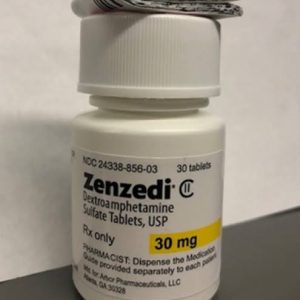
Buy Zenzedi online overnight from Heal Zone for reliable, discreet access to this immediate-release dextroamphetamine sulfate stimulant. We help manage ADHD symptoms like inattention, hyperactivity, and impulsivity, plus narcolepsy-related excessive daytime sleepiness, with fast-acting focus and wakefulness support. Enjoy no-prescription ordering, overnight delivery in 1-2 days across the USA and Canada or 3-5 days internationally, plain packaging for complete privacy, real-time tracking, secure payments via Bitcoin, bank transfer, Zelle, CashApp, or Western Union, and our 30-day full refund or replacement guarantee. We deliver genuine Zenzedi with 100% customer satisfaction, making it easy to regain control of attention and daily performance.
Price range: $325.00 through $1,300.00Select options This product has multiple variants. The options may be chosen on the product page